Land rights for millions of Ethiopians
Ethiopia’s digital land registry has secured farmers’ land rights and modernised the country’s land administration. The reform has significantly improved women’s position and enabled vital investments in agriculture.
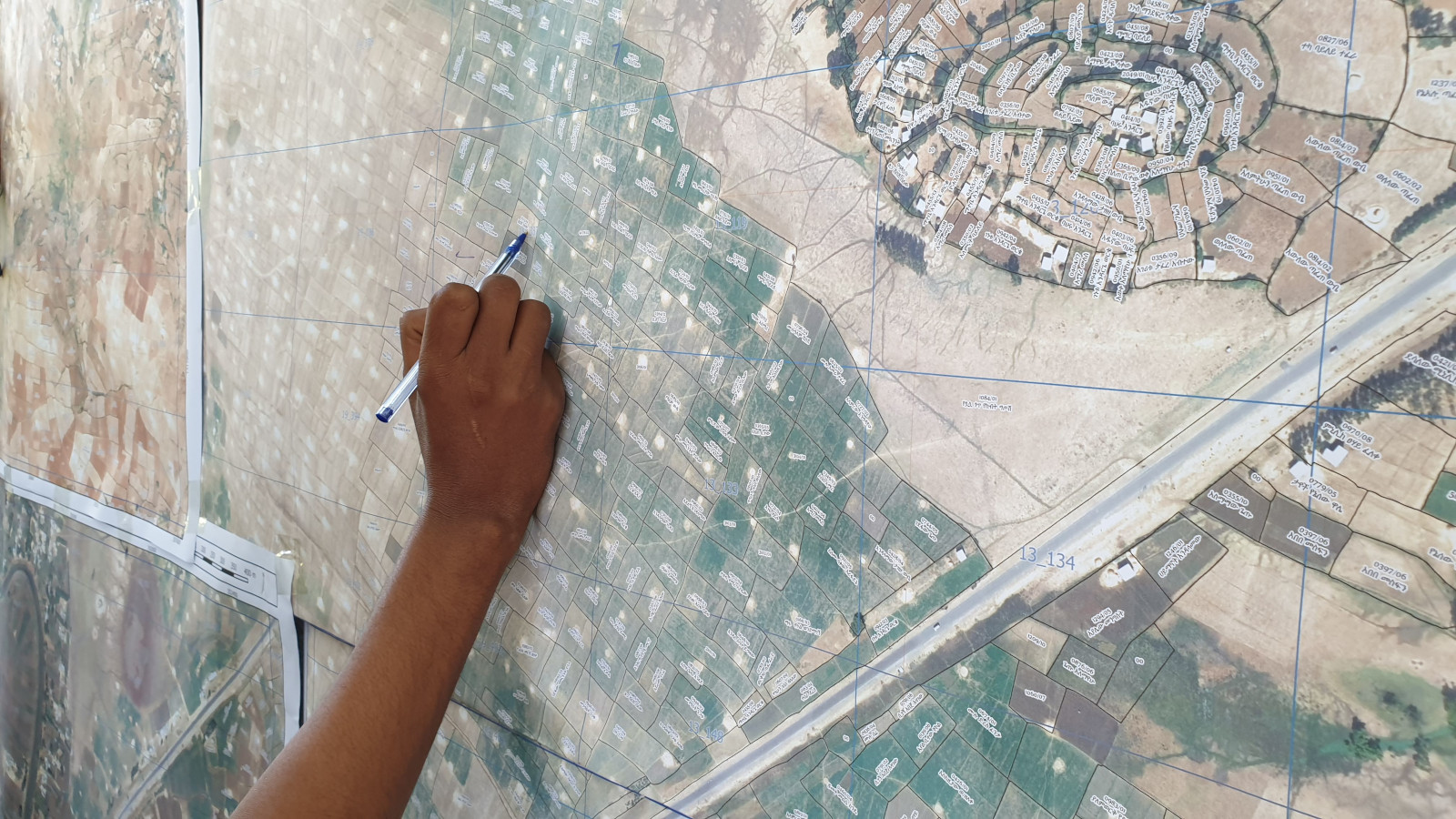
Digital land registration supported by Finland has been implemented on a large scale in Ethiopia. By the end of June 2026, land certificates had been issued for 34 million parcels in 562 administrative units (woredas). The digital land registry provides transparent, reliable, and up-to-date information on land rights. More than 5 million formal land transactions have already been recorded, including inheritances, gifts, exchanges and land consolidations.
Official land certificates open up new economic opportunities for farmers, as they can serve as collateral for loans. For example, in the Amhara and Benishangul-Gumuz regions, more than 4,400 households have used their land certificates to access finance and invest in improving agricultural productivity. Over EUR 2 million has been granted in loans using land certificates as collateral.
The reform particularly improves women’s financial security: more than 80 per cent of land certificates include a woman’s name, well above the African Union’s continental target of 30 per cent by 2025. The project has also strengthened local capacity by training more than 8,400 land administration experts and technicians.
In its latest phase, the project develops and tests climate-smart agriculture and sustainable soil management practices in cooperation with Finnish and Ethiopian businesses. It also supports the Ethiopian coffee sector’s compliance with the EU Deforestation Regulation (EUDR) and explores ways to connect smallholder farmers with carbon markets.
In addition, the Finnish-supported land registry is helping to advance Ethiopia’s digitalisation through links with other databases, such as the country’s new national digital identification system, FAYDA.
Background
The state owns all land in Ethiopia. Farmers have long held customary land use rights to the parcels they cultivate. Although formal paper documents recording these rights may have existed, they have often been incomplete or outdated. For example, changes in certificate holders have not always been formally recorded. Uncertainty over land rights has exposed farmers to land disputes and reduced transparency in land administration.
Without formal certificates, farmers have been unable to access finance. This has slowed rural development in Ethiopia and prevented families from investing in sustainable agricultural production and ecological land use. The digital land registry enables the cultivation of perennial crops and access to bank loans. It also improves the financial situation of women and persons with disabilities.
Support and funding
Finland has supported the REILA land administration project since 2011. Finland is providing EUR 9.5 million for the ongoing third phase (2024–2028). In this phase, the project is expanding its coverage from individual parcels to the registration of communal and forest lands.
The project’s technical assistance has directly strengthened the capacity of Ethiopia’s land administration at the Ministry of Agriculture’s rural land administration and use directorate, regional agencies and local administrations.
Finland’s long-standing support since 2011 has created an enabling environment for trade and acted as a catalyst for large-scale international investments. For example, the World Bank is supporting the nationwide rollout of the Finnish-backed land administration system with USD 165 million in funding.