
Finland-backed fund helps identify the deceased in Ukraine war
During its first three months of operation, the new DNA laboratory in Ukraine has helped identify nearly 200 people who went missing during the war. The laboratory was established with support from the Partnership Fund for a Resilient Ukraine (PFRU), for which Finland is contributing a total of EUR 8.8 million in 2022–2027 as part of its bilateral development cooperation with Ukraine. Other donors to the fund are Estonia, Sweden, Norway, Switzerland, the United Kingdom and Canada.
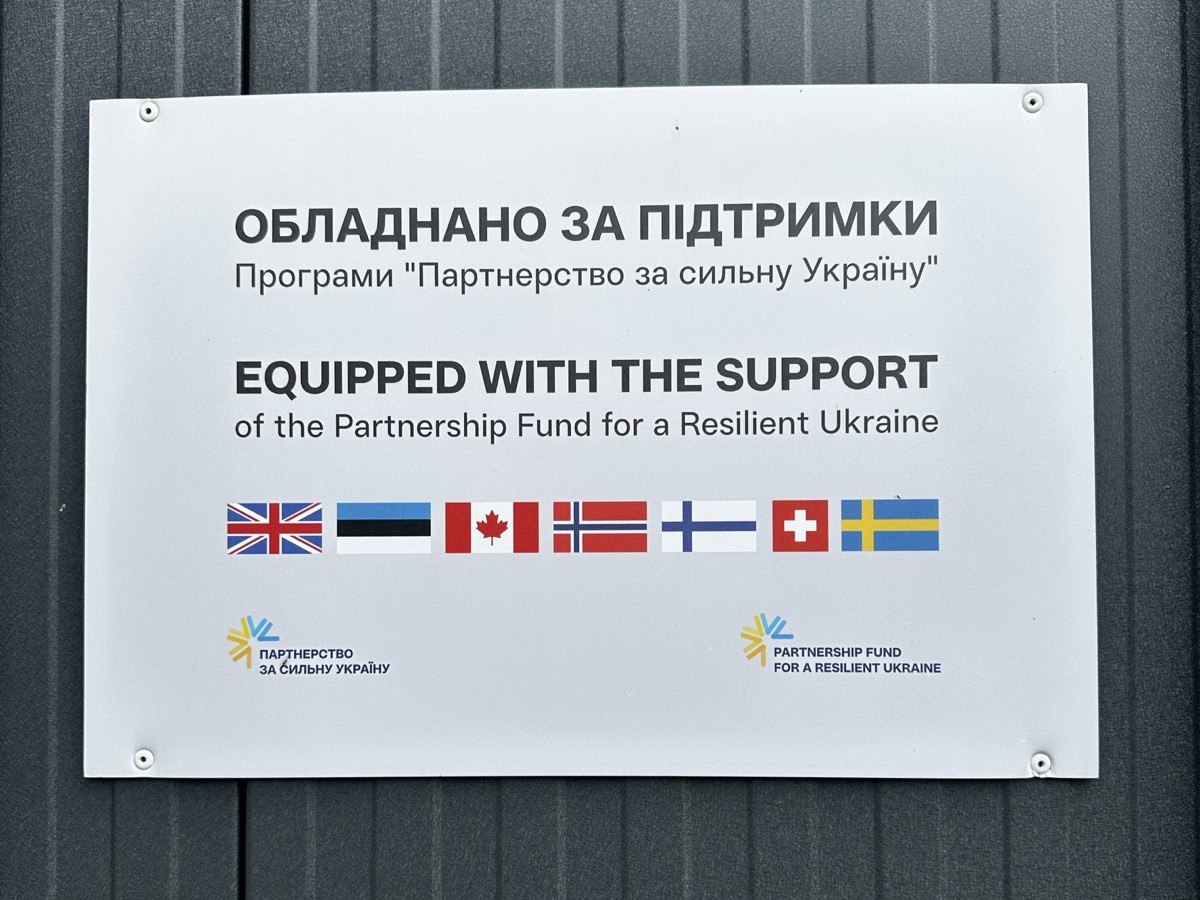
DNA laboratory speeds up the identification of the deceased
More than 100,000 people are currently missing due to the war in Ukraine, and more than 18,000 deceased individuals are awaiting identification. Most of the missing are soldiers who disappeared on the front line. The number of forensic laboratories has more than doubled since the start of Russia’s war of aggression.
The PFRU has supported the establishment of a DNA laboratory within a regional forensic laboratory in Ukraine. The new regional DNA laboratory has enabled samples taken from the deceased to be locally analysed, helping to reduce the backlog of identification examinations as demand continues to grow. During its first three months of operation, the laboratory has identified nearly 200 missing persons.
The laboratory operates under the Expert Service of the Ministry of Internal Affairs of Ukraine, which is the country’s largest network of state forensic and forensic medicine institutions.
The PFRU aims to support social stability, especially in eastern and southern Ukraine and in territories liberated from temporary occupation that have suffered the greatest damage from Russia’s war of aggression. The fund supports regional and community resilience by advancing early recovery efforts and addressing urgent needs for basic public services and emergency assistance.
Identifying missing persons is a multi-stage process
The search for the missing person starts when family members submit a report. At that stage, a DNA sample is collected from relatives for comparison purposes. Families wish to be informed as openly as possible about the identification process and its progress.
The identification of the deceased involves several stages, including the evacuation of bodies from areas near the front line. Long evacuation times can complicate the process, as can the contamination and mixing of samples during evacuation. In addition to DNA analysis, identification also relies on cooperation between specialists, for example in reconstructing tattoos and restoring personal belongings, such as rings.
DNA samples from relatives are compared with samples taken from the deceased at both local and national level. However, not every DNA sample taken from a deceased person can be matched to a sample on the database. There are various reasons for this. For example, the family of the missing person may live in occupied territories, making it impossible to obtain reference samples, or the missing person may be a citizen of another country.
Establishing the fate of missing persons is essential for ensuring accountability and supporting the mental resilience of family members. Knowing what has happened to a loved one can bring an end to prolonged uncertainty and help families begin the grieving process.